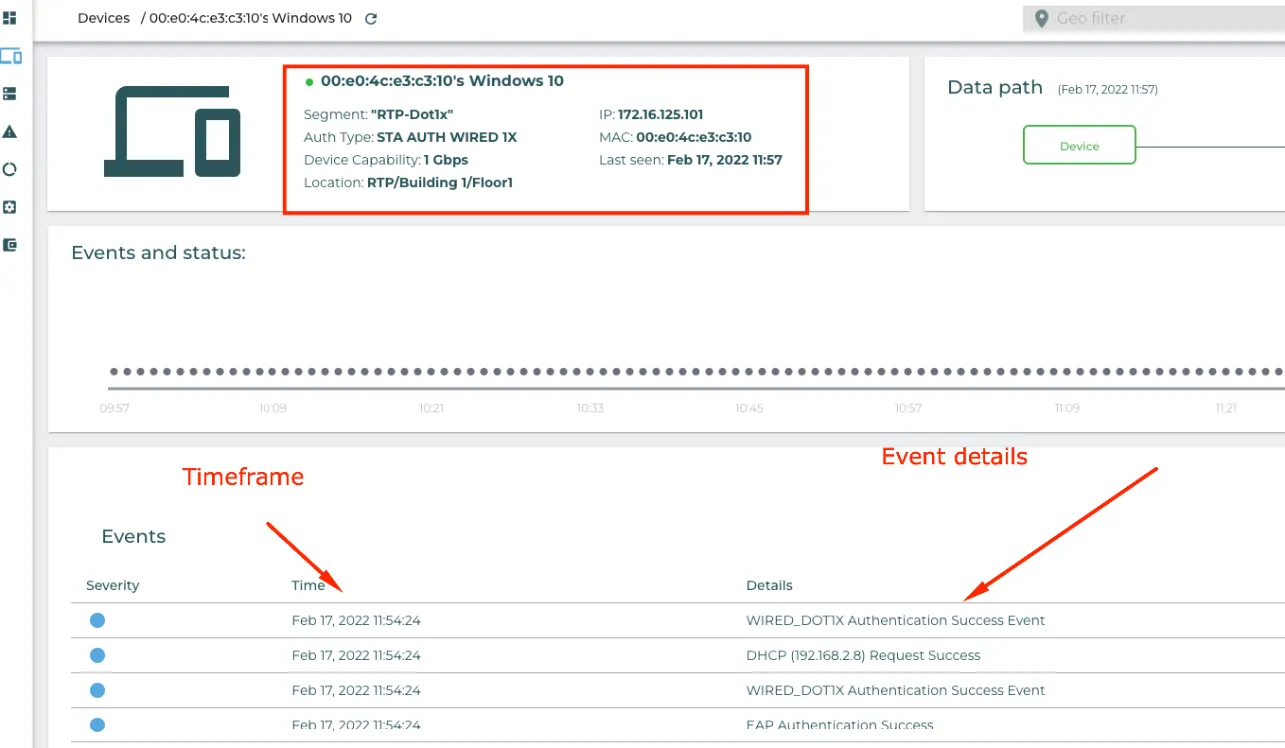
Configured device with Wired 802.1X, not able to connect
Nile supports both Wireless and Wired 802.1X connections.
1. Verify if there are any 802.1X authentication attempts from the client side.
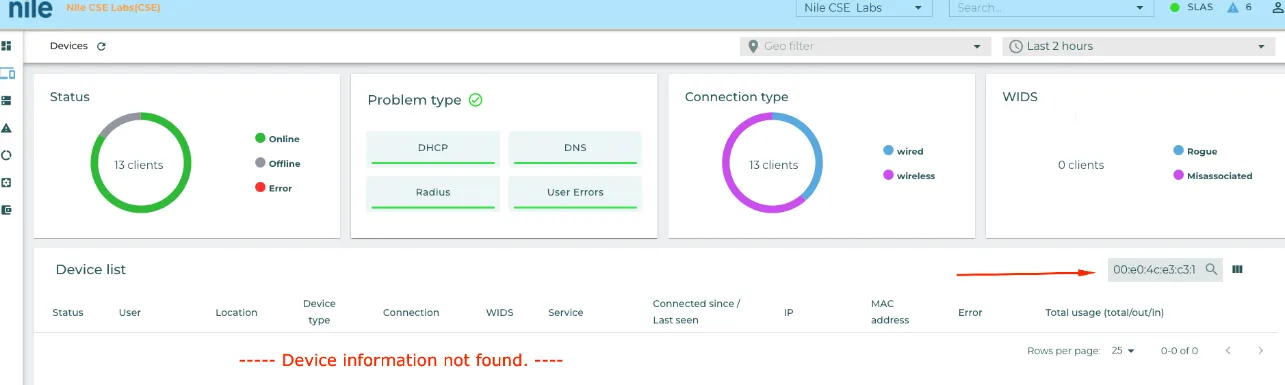
By checking the Device List in the Nile Portal, you could see the particular client log event:
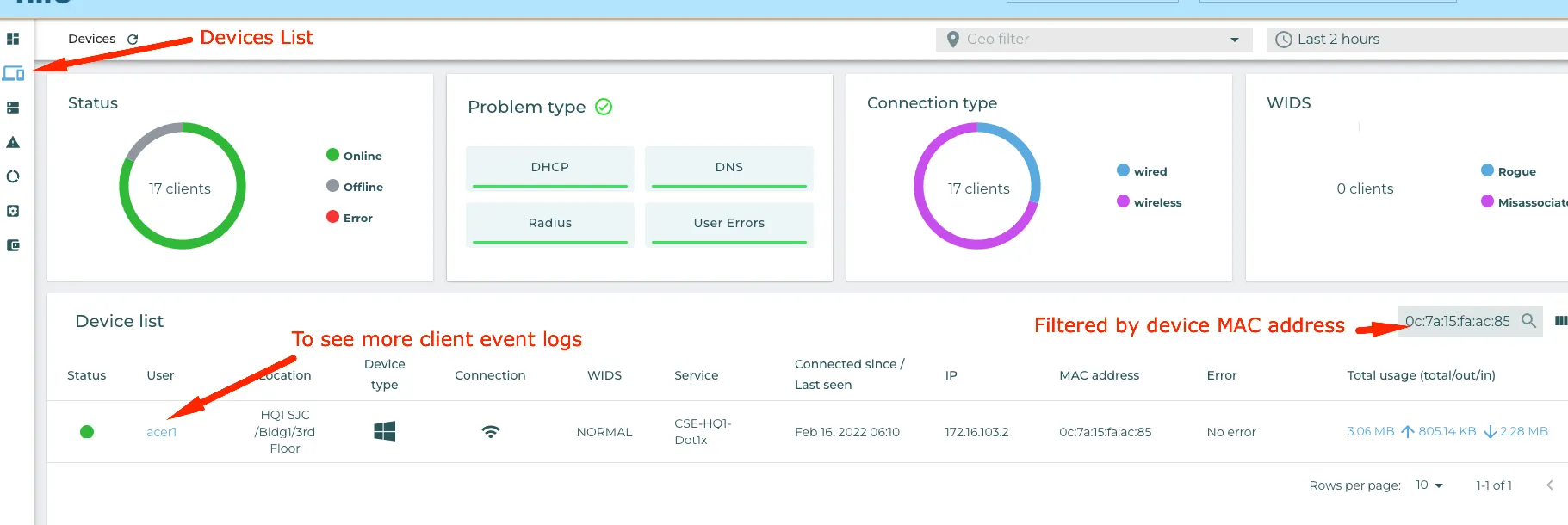
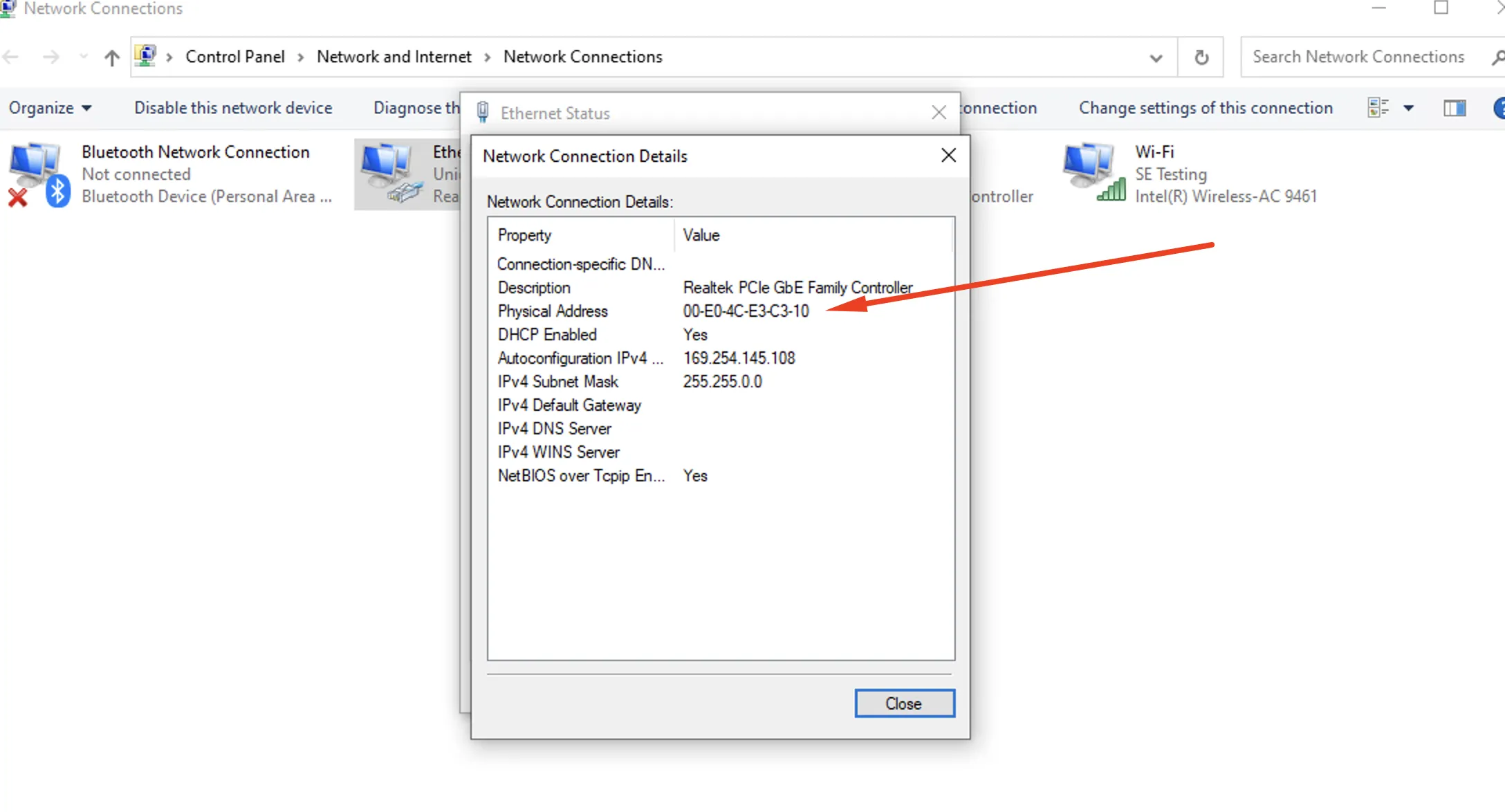
How to get MAC address of device:
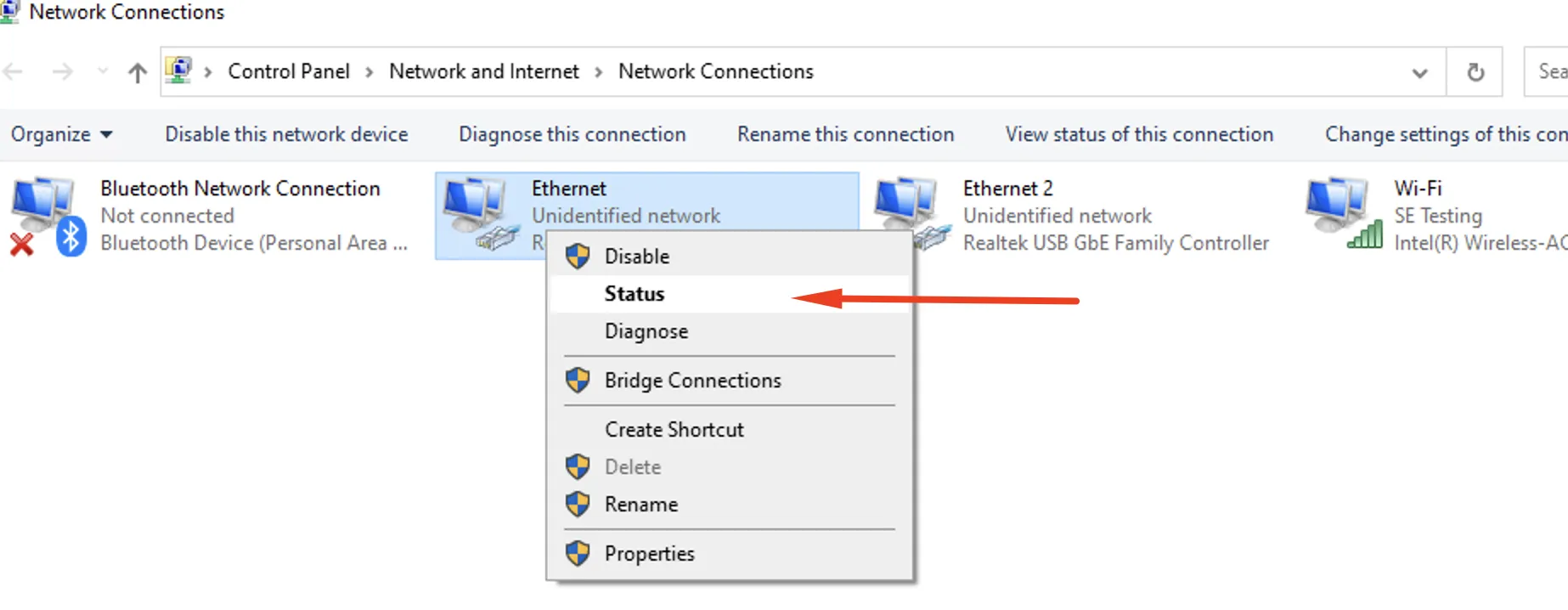
a. Navigate to: Control Panel\Network and Internet\Network Connections
b. Right-click the Wired adapter and click Status:
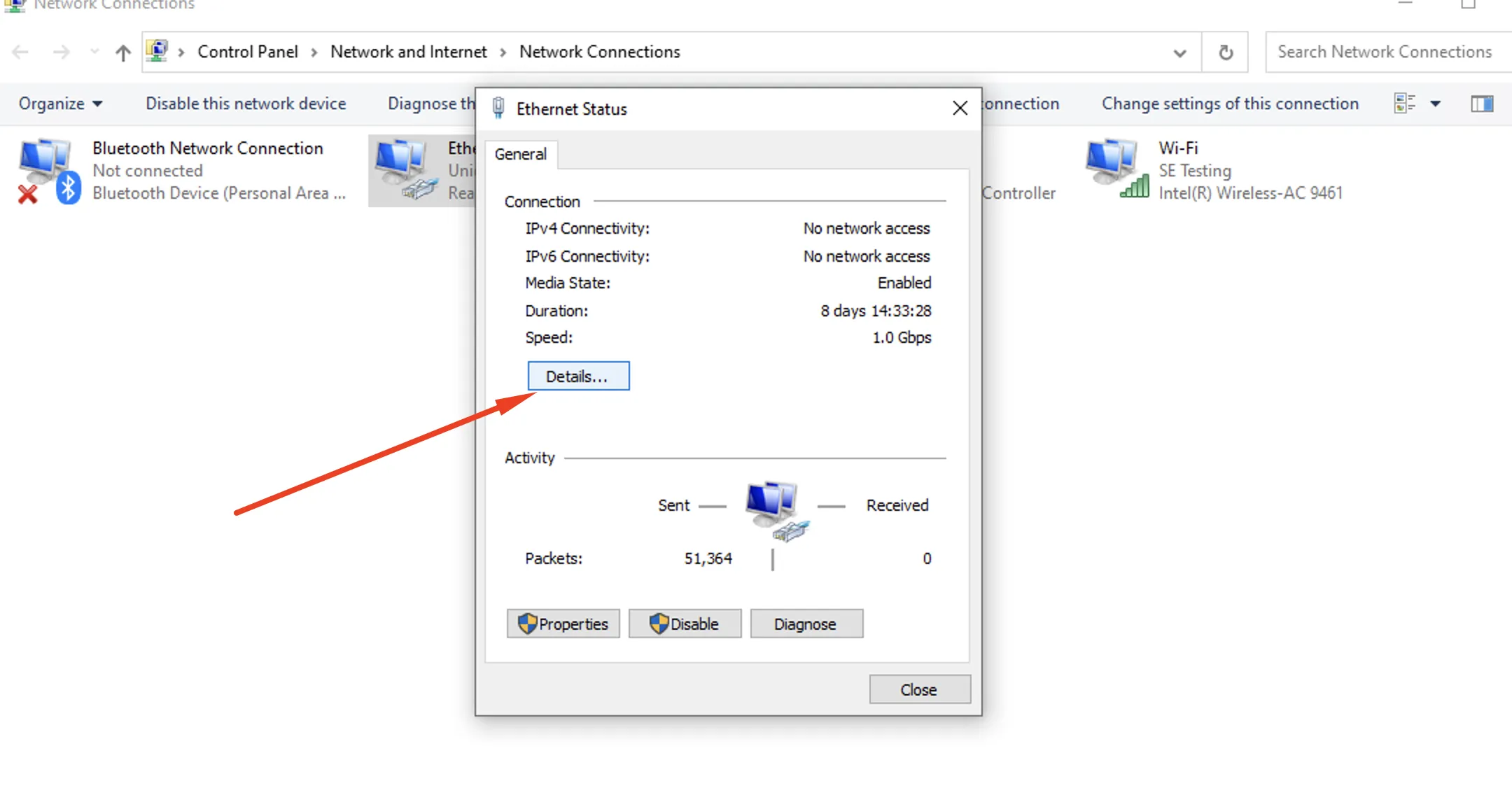
c. On the Ethernet Status window, click Details:
d. The MAC address of the device is listed as Physical Address:
2. If there are no Devices found for that particular MAC address, that means there are no 802.1X authentication attempts from the client side, and by default that particular device connected to a Nile Switch port falls to the MAB approval page:
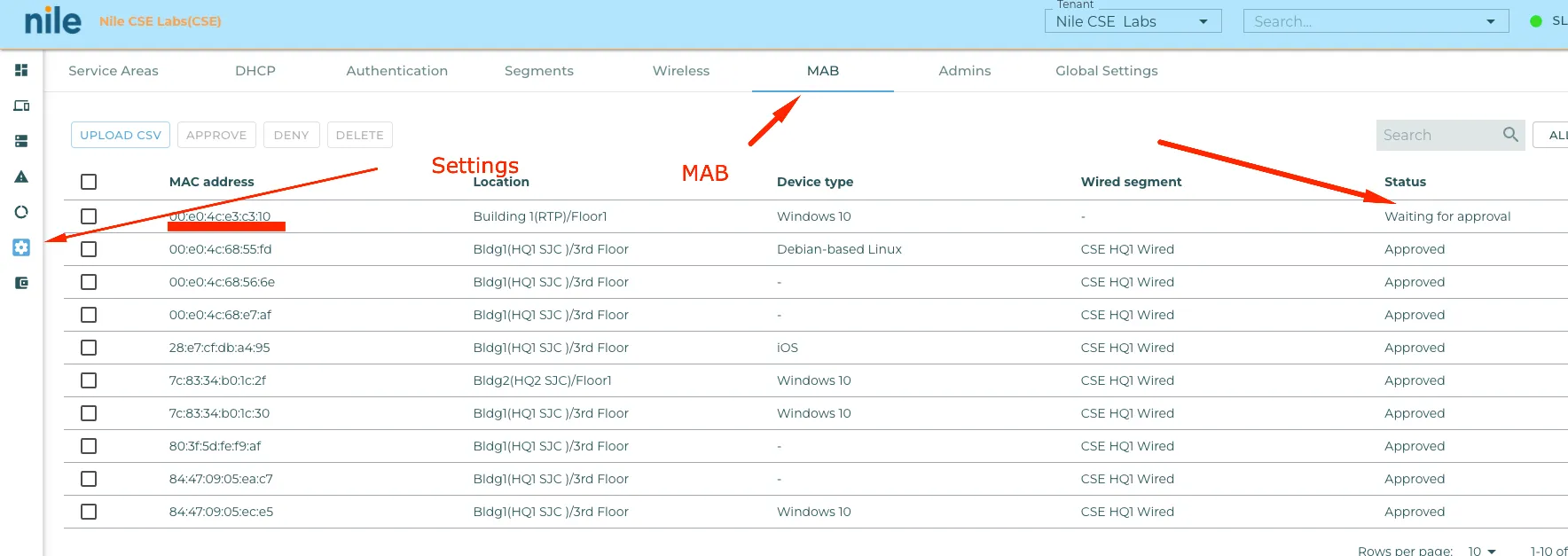
Navigate to Settings -> MAB. You could see that the MAC address you are testing is pending MAB approval. This confirms that 802.1X was not initiated from the client side, and you need to verify the 802.1X configuration:
3. Verify 802.1X supplicant configuration from client side.
Client could be running a different variety of 802.1X supplicants like:
- Windows native supplicant.
- Cisco AnyConnect
- macOS native supplicant
(check the vendor documentation for the particular supplicant configuration)
In our particular example, our PC client is a Windows PC and should be running the Windows native 802.1X supplicant.
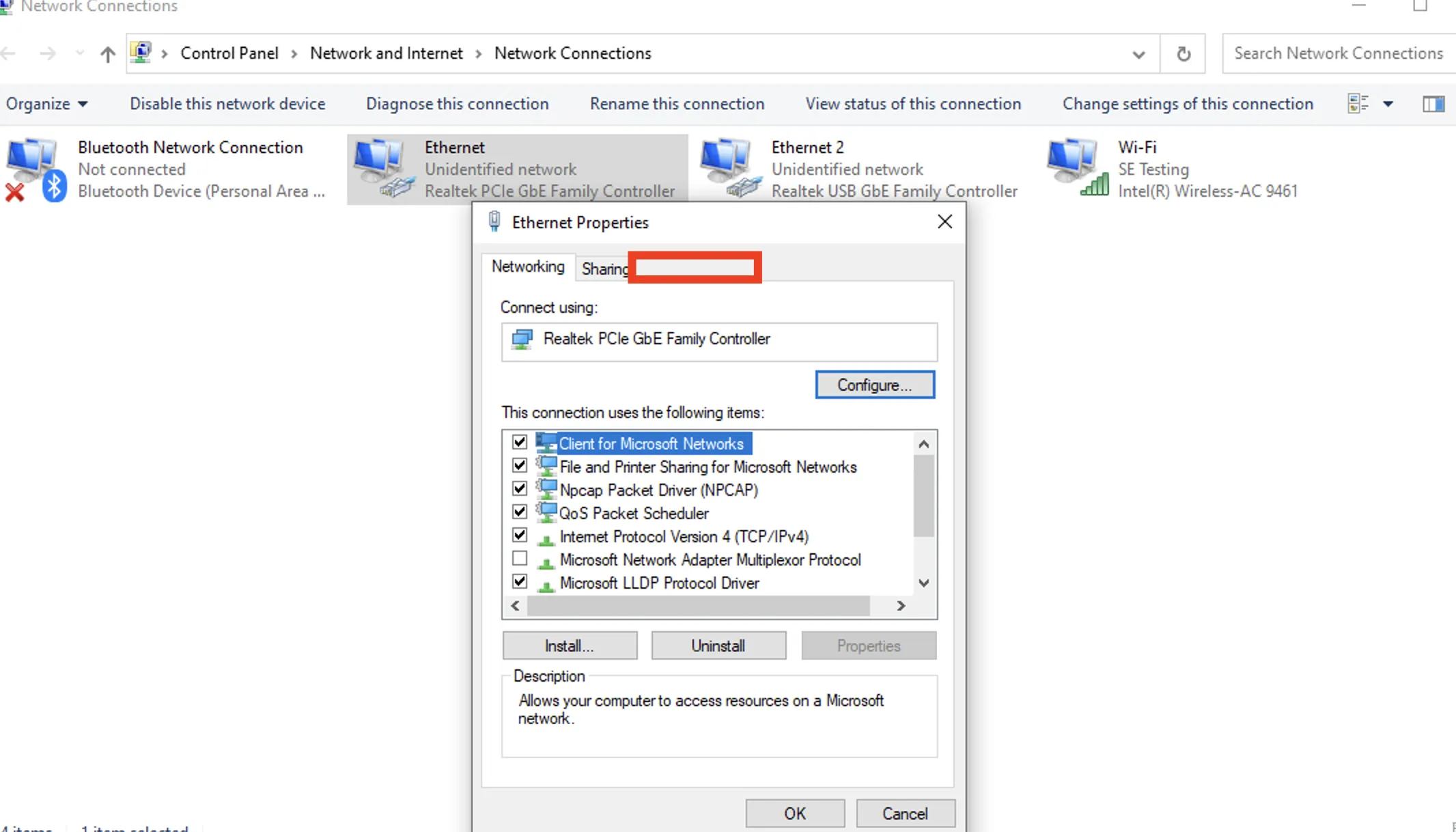
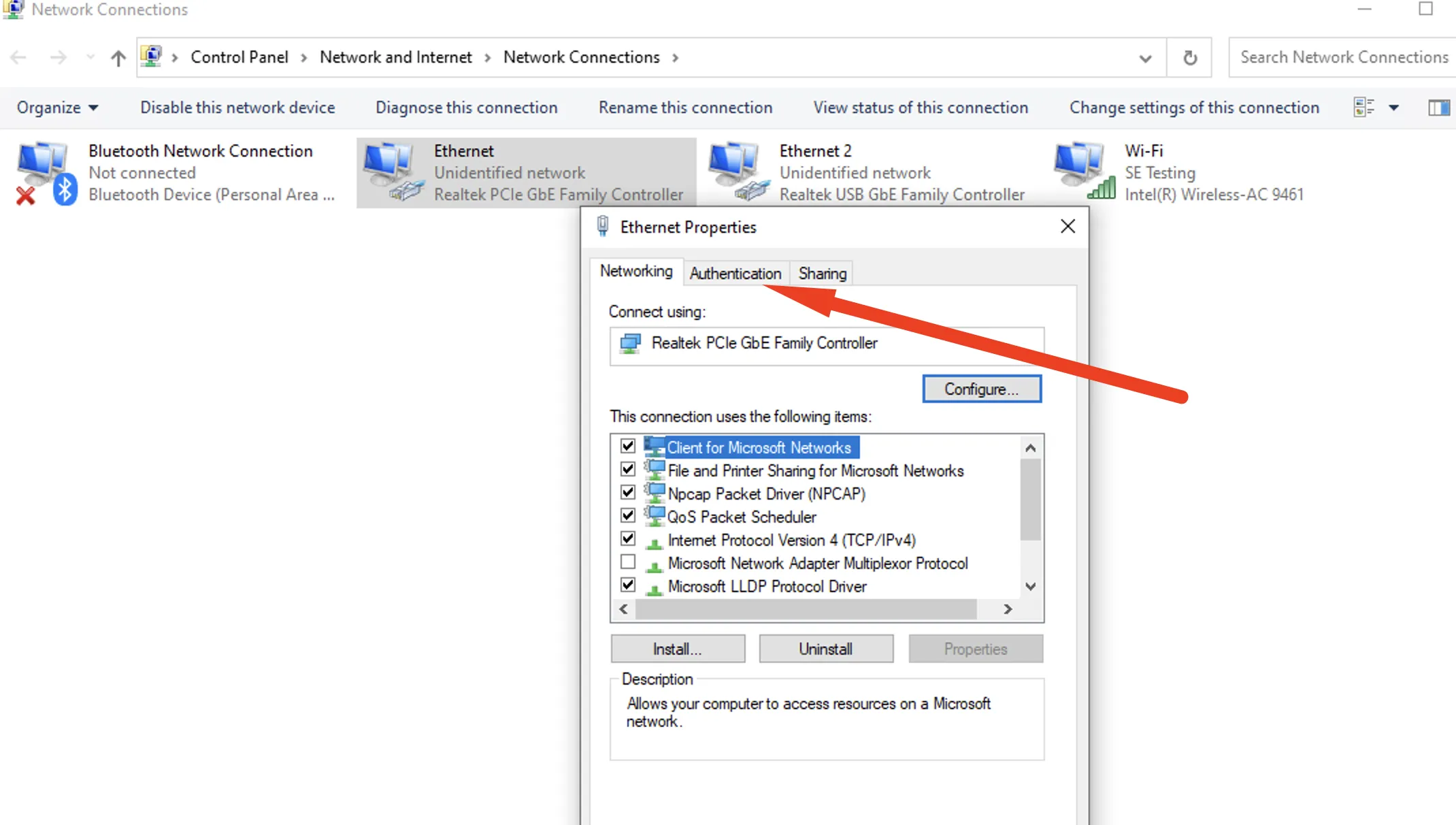
a. From Wired adapter Properties, you could check if the Authentication tab is available:
As you could see, the Authentication tab is missing, which means the wired 802.1X service is not running:
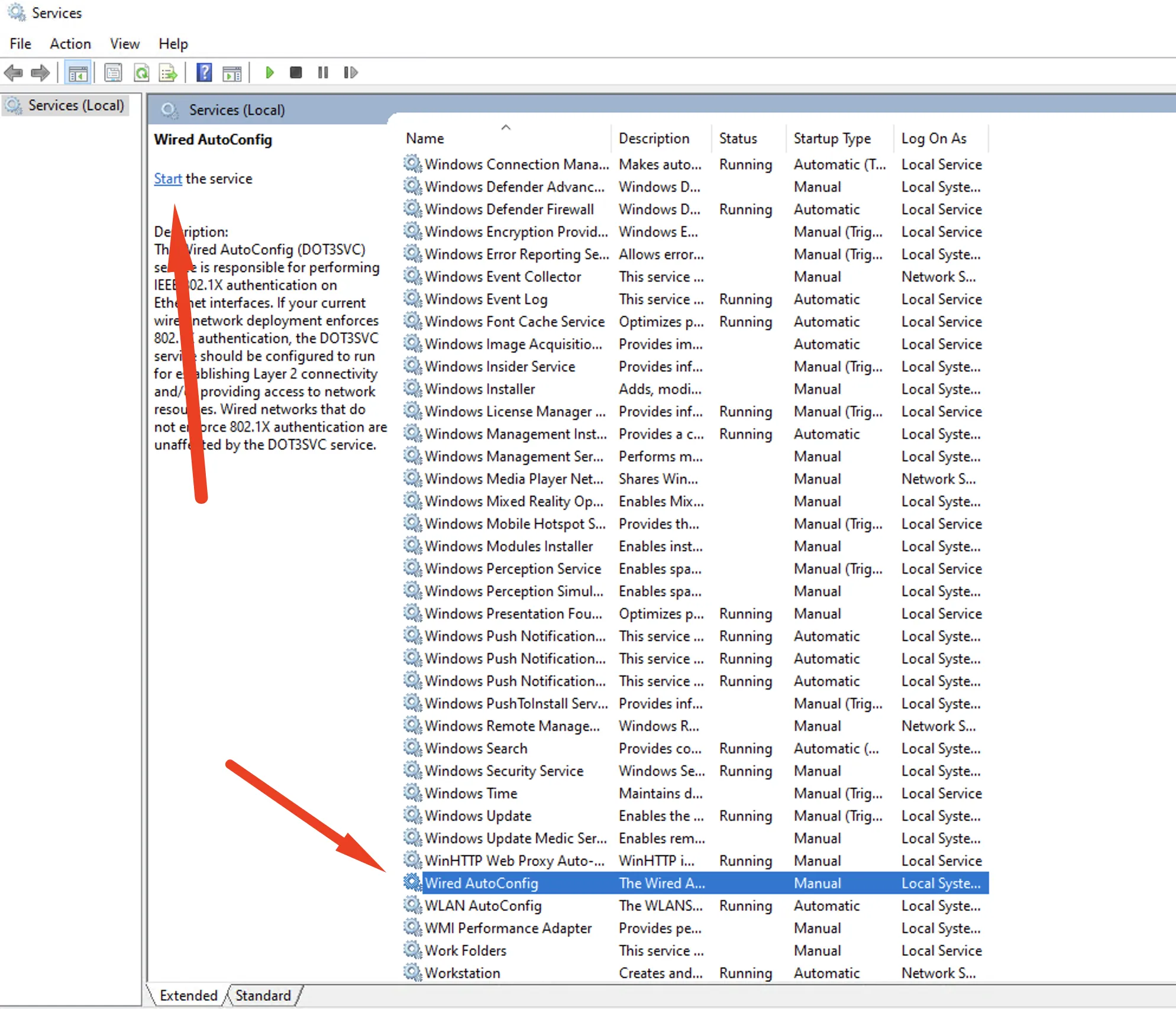
b. From PC Start-> Services, enable the Wired AutoConfig Service by clicking Start:
As a result, you could see the Authentication tab in the wired adapter properties to configure 802.1X authentication:
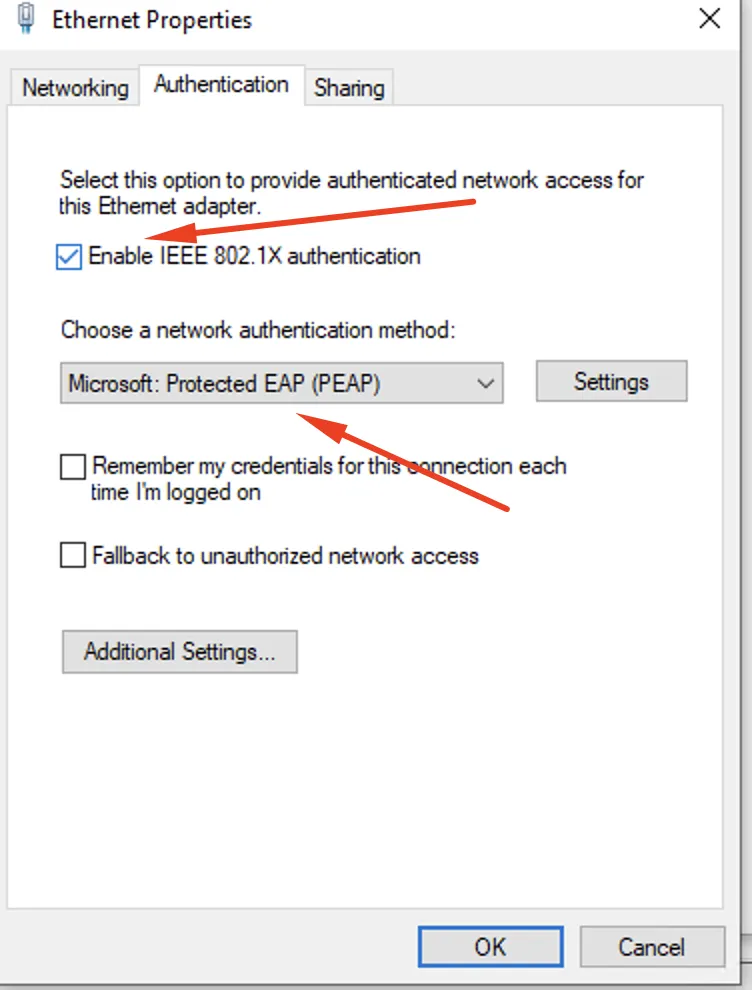
4. Verify 802.1X supplicant configuration.
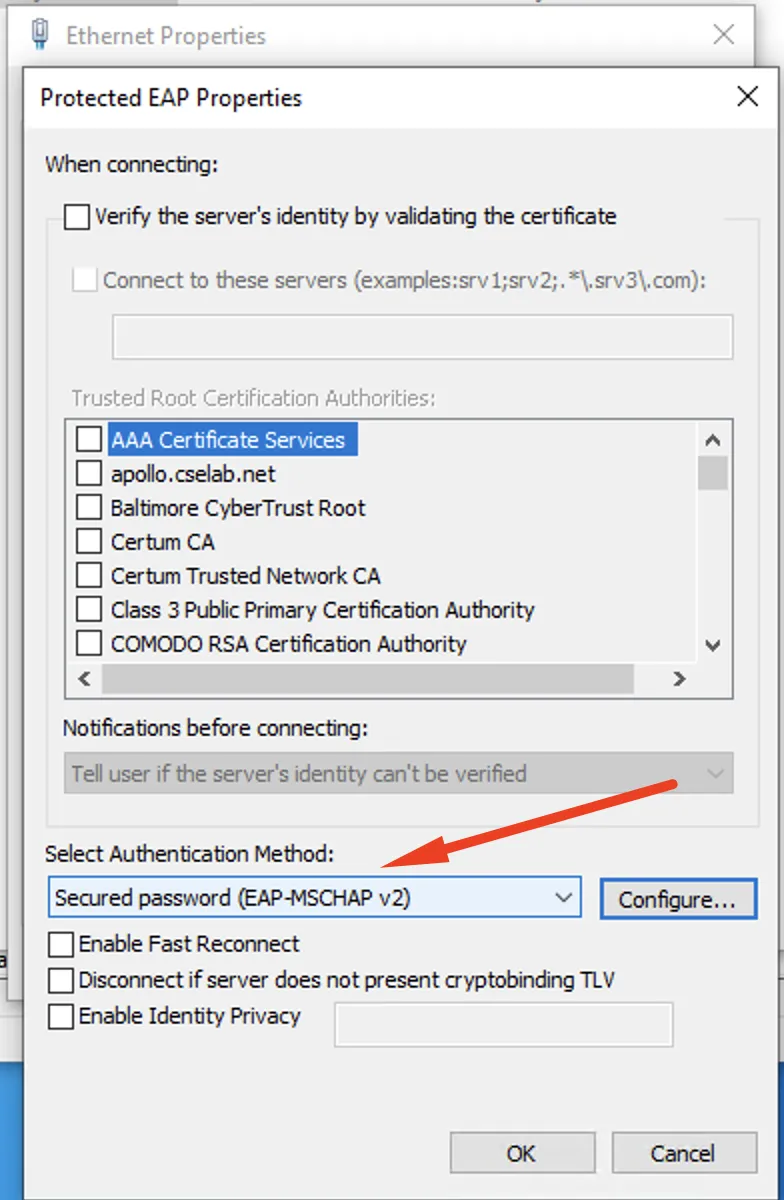
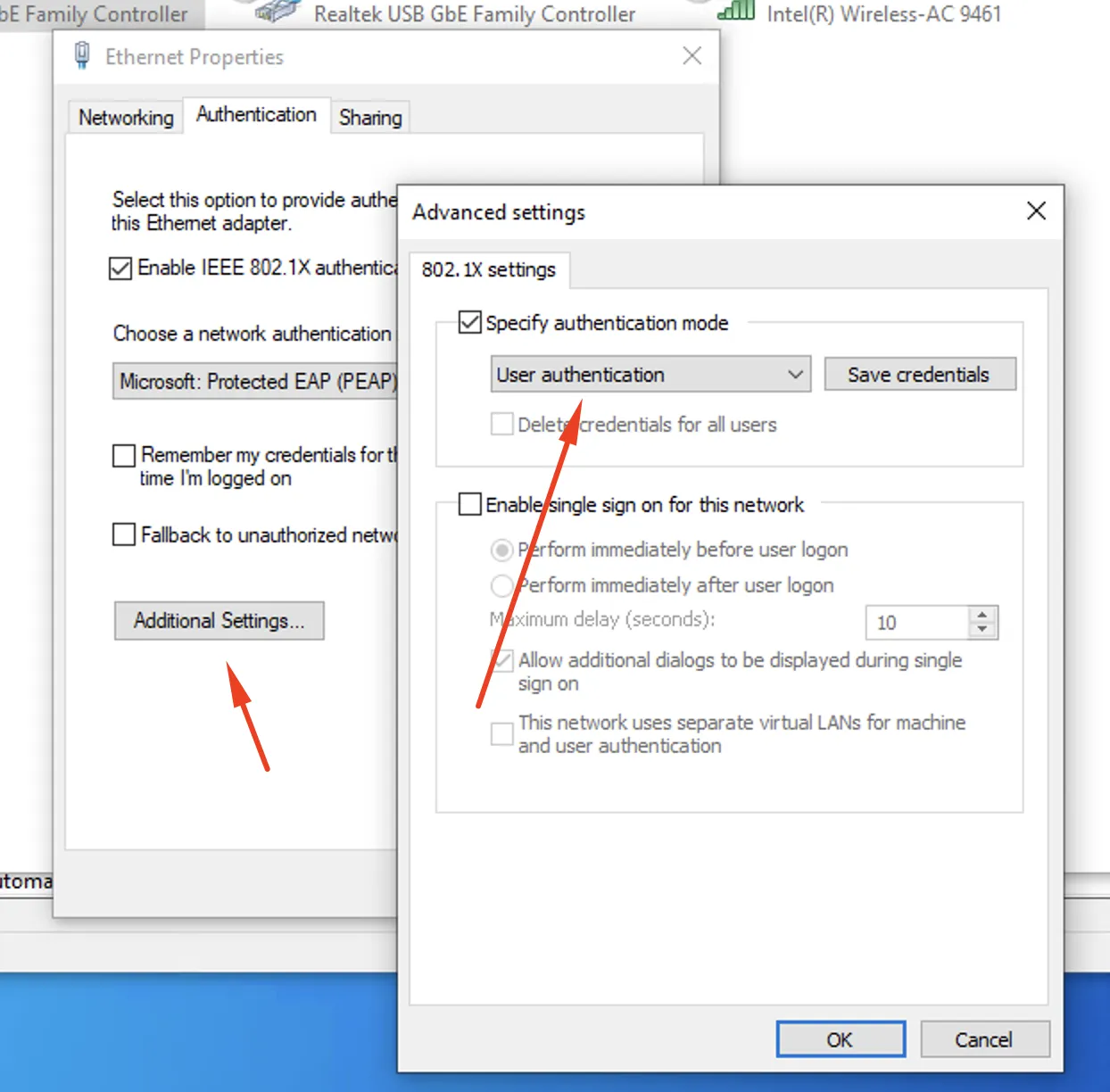
In this particular example, EAP-PEAP (EAP-MSCHAP v2) password-based authentication is configured.
From Settings, selecting Secure password (EAP-MSCHAP v2):
From Advanced settings, User Authentication only is selected:
5. Checking back Nile Portal to see 802.1X authentication:
From the Nile Portal device list, you see the user connection. By clicking the User link, you could check the details and events:
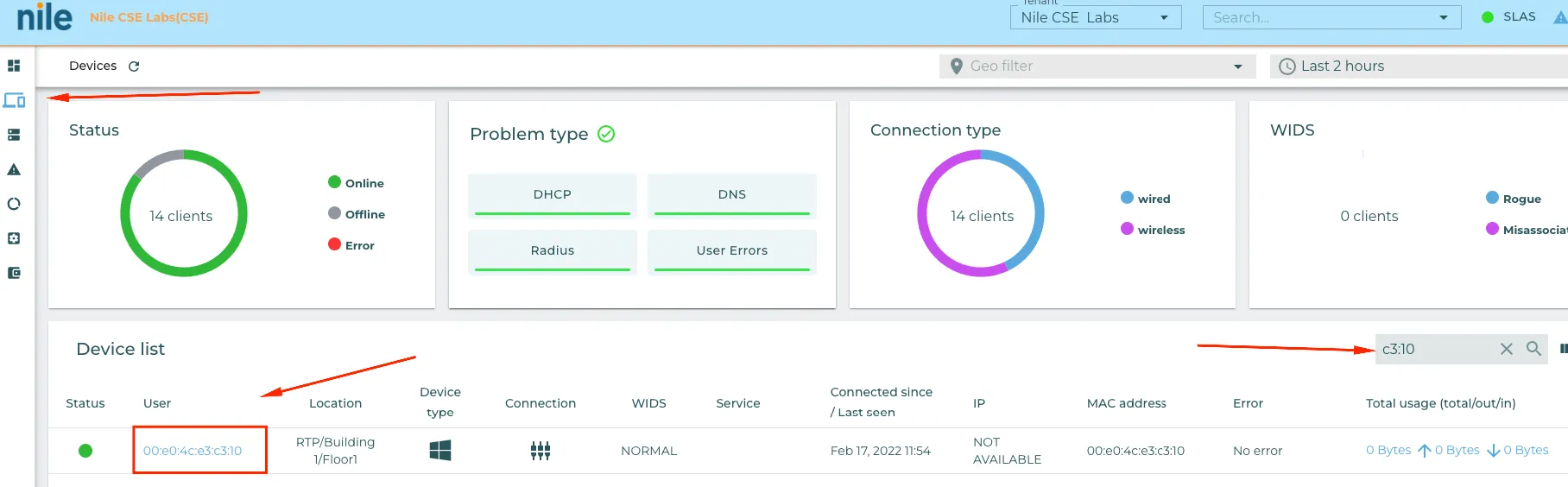
Client connection details and events, where you could see Client information, Event Details, and Timeframe.
As you could see, 802.1X authentication was successful this time: